Background
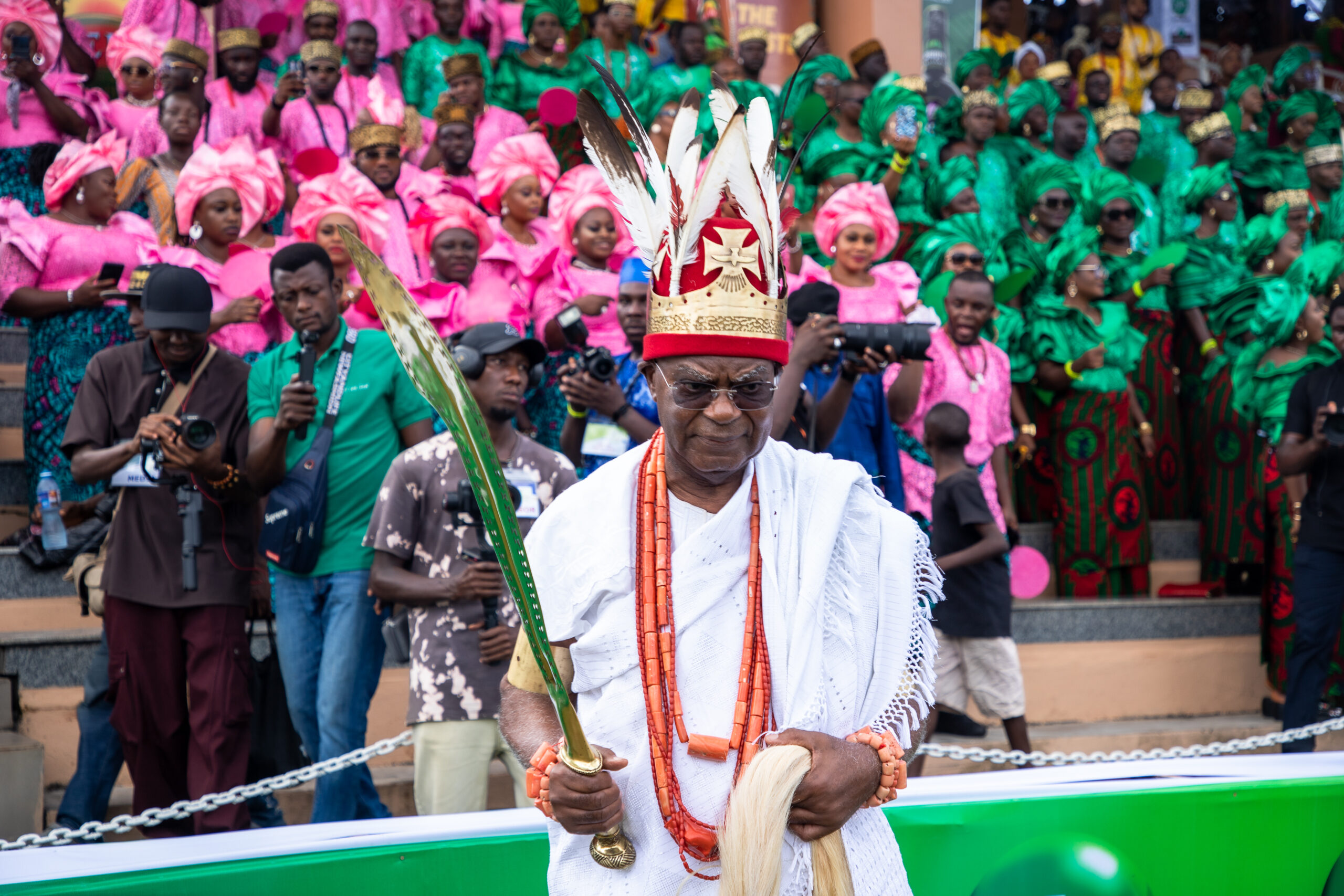
Ofala holds in early to mid-October as the highpoint of the Onitsha ceremonial cycle. It is the Obi of Onitsha’s annual emergence from seclusion — Inye Ukwu N’Nlo Eze — after he has successfully negotiated the fortunes of the kingdom with the ancestors.
The festival celebrates two things at once: the renewal of the throne, and the historic joy shared between the Obi and his people at the discovery that yam is non-toxic and a vital source of food. It is also the occasion when the Obi reviews his army and receives the pledge of loyalty from his redcap chiefs, the Ndichie.
For centuries, when the monarch was rarely seen in public, Ofala was the one moment Ndi Onicha beheld their king. That purpose remains. Today, Ofala is the sacred bridge between palace and people — a living audit of our resilience and a declaration of our direction for progress.
The Ofala Experience
Ofala unfolds over two days of royal dances, tributes, parades, and music at Ime Obi.
Iru Ofala – Day 1
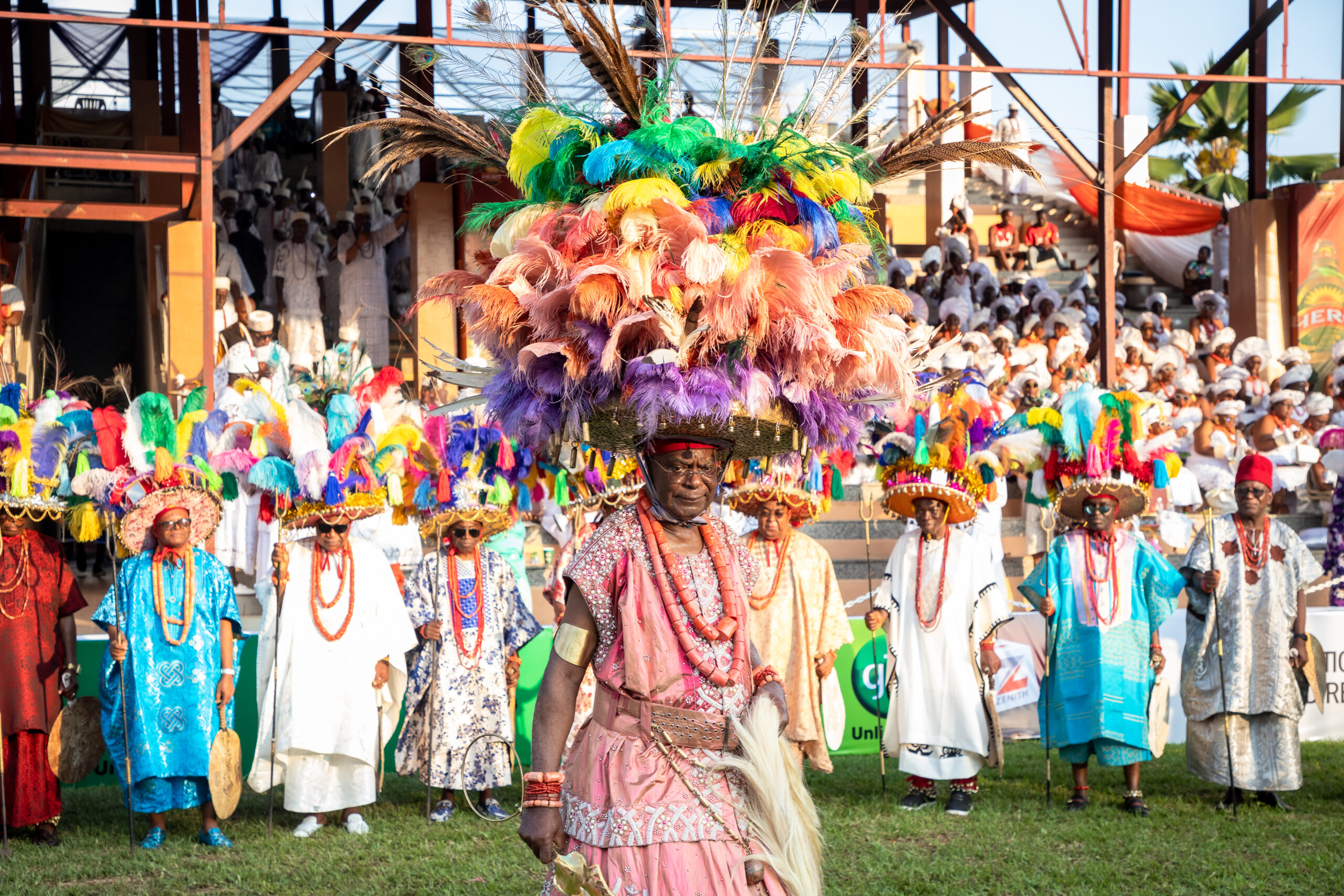
This is the Obi’s day. In the company of the Ndichie, the Obi appears three times in full regalia, dancing to the war drums. Between appearances, subjects, guests, and stakeholders from across Onitsha and beyond pay homage. It is ritual, pageantry, and a display of excellence in leadership.
Azu Ofala – Day 2
This is the people’s day. Age-grade societies, in colorful uniforms, process before the throne in homage. The arena comes alive with music, masquerades, and cultural expression that affirm our identity and values. Iru and Azu together show a kingdom advancing as one.
The Ofala in Recent Times
What began as a royal obligation has grown into a modern platform for culture, enterprise, and community impact.
The festival now features the Oreze International Art Exhibition, the Ofala Youth Carnival, the Medical, Health and Wellbeing Community Outreach, a lecture series, and a post-Ofala banquet. The Onitsha City Marathon is also ancillary to the Ofala.
This growth has earned national and global recognition. The Nigerian Tourism Development Corporation has designated the Onitsha Ofala Festival a major Nigerian festival. The United Nations World Tourism Organisation has issued a Certificate of Recognition for Excellence in Culture, in acknowledgment of Ofala’s contribution to cultural development.
Ofala is on course. With 500 years of resilience behind it, the festival now draws national, West African, and international attention — not only as a ceremony, but as a system that mobilizes people to advance.
With the theme Igba Mbo, Iga N’Iru: Strive and Advance, Ofala 2026 reaffirms the mandate: a 500-year institution that endured by adapting, and that now builds the future.